


Hydraulic Pipe Fittings / 4c / 4D / Metric Male Thread Hydraulic Plug
Cat:Hydraulic Adapters
Product Description hydraulic adaptor metric male O-Ring flat sealing pipe fittings Material: Carbon Steel, Stainless Steel Surfac...
See DetailsReplace your hydraulic hose immediately if you observe visible cracking, leaking fluid, or bulging . In the absence of visible damage, industry best practice recommends replacement every 3 to 5 years for standard rubber hydraulic hoses, and every 5 to 7 years for premium thermoplastic or PTFE constructions — depending on operating temperature, pressure, and environmental factors. Data from fluid power maintenance logs shows that over 60% of unplanned downtime in hydraulic systems is directly linked to hose or fitting failure. Proactive replacement based on service life, not just visual inspection, reduces total maintenance costs by an average of 28% according to 2024 industry maintenance benchmarks.
This article provides a comprehensive, data-driven guide to understanding hydraulic hose service life, recognizing failure warning signs, and making informed replacement decisions. We will explore the critical roles of both the hydraulic hose and hydraulic hose fittings in system reliability, supported by original visual data charts and practical maintenance strategies.
A hydraulic hose is not a permanent component. Its service life is defined as the period during which it can safely convey pressurized fluid without failure. The industry-standard SAE J517 and ISO 18752 classifications provide performance benchmarks, but actual longevity depends heavily on real-world conditions.
Modern hydraulic hoses are engineered from multiple layers: an inner tube (oil-resistant synthetic rubber or PTFE), a reinforcement layer (textile or steel wire braid/spiral), and a protective outer cover. Each layer degrades at different rates. The reinforcement layer is typically the first to experience fatigue from pressure cycles, while the outer cover is vulnerable to abrasion, UV, and chemical attack.
Key insight: A 2023 study of 12,000 field-returned hoses found that 54% of failures originated from the reinforcement layer fatigue, 29% from fitting connection failure, and 17% from outer cover degradation. This underscores the need to evaluate both the hose body and its hydraulic hose fittings as a unified system.
Typical service life ranges by hose construction:
However, these figures are general guidelines. A well-maintained hose in a climate-controlled environment may last twice as long, while a hose in a high-vibration, high-temperature mobile application may need replacement annually. The key is to combine manufacturer recommendations with condition-based monitoring .
Understanding the forces that degrade hydraulic hoses enables you to predict and extend service life. The five most impactful factors are:
Heat accelerates the aging of rubber and thermoplastic materials. For every 10°C (18°F) increase above the recommended maximum operating temperature (typically 100°C for standard hoses), the service life is reduced by approximately 50% . This is due to accelerated oxidation and breakdown of the inner tube and reinforcement adhesion. In high-heat applications, consider heat-shielding or switching to PTFE or silicone-lined hoses.
Hydraulic systems rarely operate at constant pressure. Pressure spikes — often 1.5 to 3 times the working pressure — cause micro-fractures in the wire reinforcement. A system with more than 1 million pressure cycles at elevated amplitudes can reduce hose life by 60–70% . Using a hose with a higher working pressure rating (e.g., 4:1 safety factor) and installing surge suppressors can mitigate this.
Bending a hydraulic hose tighter than its minimum bend radius (MBR) imposes excessive stress on the reinforcement. Reducing the bend radius by just 20% below the MBR can shorten service life by 40% or more, according to SAE testing. Proper routing with adequate clamps, elbows, and swivel adapters is essential.
Contact with hydraulic fluids, cleaning solvents, or atmospheric contaminants can swell, harden, or crack the hose cover and tube. Compatibility charts (ISO 7323) should always be consulted. Even small amounts of incompatible fluid can reduce life by 30–50% within weeks.
External wear from rubbing against machine parts or exposure to UV radiation degrades the outer cover, exposing the reinforcement to corrosion. Field data shows that abrasion accounts for 22% of all hose replacements in mobile equipment. Protective sleeves, spiral wraps, and proper clamping are effective countermeasures.
Visual and performance indicators provide early warnings. Do not wait for catastrophic failure — act when you observe any of these signs:
Data point: In a 2024 reliability survey of 450 hydraulic repair shops, 87% of responding technicians stated that visible cracking and fluid weeping were the two most common indicators that prompted replacement, yet only 34% of operators performed scheduled hose inspections more than twice per year.
Implement a simple visual inspection checklist. Include checking the full length of the hose, paying special attention to areas near hydraulic hose fittings , where bending and vibration are concentrated. Replace hoses immediately if any of the above signs are present — the cost of a new hose is far less than the cost of system damage and downtime.
The following charts present aggregated data from industry testing and field maintenance records. They illustrate how construction type, temperature, pressure, and environmental factors influence the effective service life of hydraulic hoses and fittings.
Proactive maintenance can double the effective service life of your hydraulic hoses and fittings. Implement these seven evidence-based practices:
Return on investment: A 2024 maintenance cost analysis from a heavy-equipment fleet showed that implementing these seven practices reduced hose-related downtime by 42% and lowered annual hose replacement costs by 31% over a 24-month period.
For systems with extreme operating conditions, consider using a condition-monitoring system that tracks pressure pulses, temperature, and vibration in real time. These systems can alert you to developing issues before they become critical failures.
Choosing the correct hydraulic hose and matching hydraulic hose fittings is the foundation of a reliable system. The selection process should consider five essential parameters:
| Parameter | Consideration | Impact on Service Life |
|---|---|---|
| Pressure rating | Working pressure surge margin (4:1 safety factor recommended) | Under-rating leads to fatigue; over-rating adds cost but extends life |
| Temperature range | Fluid and ambient temperature extremes | Exceeding the rating by 10°C halves the life |
| Fluid compatibility | Match tube and cover material to fluid type (mineral, synthetic, water-glycol) | Incompatibility can cause swelling, hardening, or degradation within weeks |
| Fitting style | Crimp, reusable, or field-attachable; thread type (NPT, JIC, SAE, metric) | Poor fitting selection is a primary cause of connection leaks and blow-offs |
| Environmental factors | Abrasion, UV, ozone, chemical splash, and physical space constraints | Protective covers and routing accessories can mitigate external damage |
When selecting a hydraulic hose supplier or hydraulic hose manufacturer , prioritize those that provide detailed data sheets, material certifications, and application engineering support. Working with a reputable hydraulic hose factory that offers ODM/OEM customization ensures that the hoses and fittings are precisely matched to your application's pressure, temperature, and dimensional requirements.
A high-quality hydraulic hose fittings manufacturer will offer fittings in a wide range of materials (carbon steel, stainless steel, brass) and configurations (straight, elbow, swivel, flange) to suit any system design. The fitting crimp process is equally critical — consistent crimp diameter and compression are essential for leak-free performance. Leading suppliers use CNC-controlled crimping machines with digital pressure monitoring to ensure every assembly meets the same high standard.
While the hose body receives much attention, hydraulic hose fittings are the system's structural weak points. Fittings account for nearly 30% of all hydraulic fluid leaks , and a failed fitting can cause catastrophic fluid loss and equipment damage. Understanding fitting design, material, and installation is essential for maximizing the service life of the entire hose assembly.
Fittings are typically made from carbon steel (with zinc-plated or galvanized coatings for corrosion resistance), stainless steel (for high-corrosion or food-grade applications), or brass (for low-pressure and non-corrosive environments). The coating must be compatible with the hydraulic fluid and the operating environment. For example, zinc-nickel plating offers 3–4 times the corrosion resistance of standard zinc plating, making it ideal for marine or outdoor applications.
Crimp fittings are permanently attached using a hydraulic crimping machine. When properly crimped, they provide a leak-free seal that matches the hose's pressure rating. Reusable fittings can be assembled in the field without special tools, but they are generally limited to lower-pressure applications and may require periodic retightening. For high-pressure and critical systems, crimp fittings are strongly recommended.
Preventive measure: Re-torque all fitting connections after the first 24 hours of operation and again after 100 hours. This simple practice reduces fitting-related leaks by 47% , according to a 2023 study by a fluid power research group.
When sourcing assemblies, choose a hydraulic hose assembly supplier that performs 100% pressure testing on every assembled hose-and-fitting unit. This ensures that the combination of hose, fitting, and crimp process meets the rated working pressure and burst pressure requirements.
Adhering to recognized standards ensures safety, reliability, and interchangeability. The most widely referenced standards for hydraulic hoses and fittings are:
When evaluating a hydraulic hose manufacturer or hydraulic hose fittings manufacturer , check their compliance with these standards. Manufacturers that adhere to SAE and ISO benchmarks typically have rigorous quality control processes, including:
In addition, look for hydraulic hose supplier with a documented quality management system (ISO 9001 or equivalent). While not a legal requirement, it demonstrates a commitment to consistent product quality and continuous improvement. A hydraulic hose factory that invests in modern testing equipment — such as automated pulse testers, tensile testers, and hardness testers — is more likely to deliver reliable, long-lasting hoses and fittings.
Q1: What is a hydraulic hose?
A hydraulic hose is a flexible, reinforced tube that conveys pressurized hydraulic fluid to transmit power within a hydraulic system. It consists of an inner tube, reinforcement layers, and a protective cover.
Q2: What is a hydraulic hose fitting?
A hydraulic hose fitting is a connector attached to the end of a hose to join it to pumps, valves, cylinders, or other components. Fittings provide a leak-tight seal and mechanical retention.
Q3: How does a hydraulic hose work?
It transmits hydraulic fluid under pressure from one component to another. The fluid pushes against actuators (cylinders or motors) to perform work, while the hose contains and directs the flow.
Q4: What are hydraulic hoses made of?
Hydraulic hoses are typically made from synthetic rubber (e.g., nitrile, neoprene), thermoplastic (e.g., polyurethane, nylon), or PTFE. Reinforcement is usually steel wire braid or spiral wrap.
Q5: What is the strongest hydraulic hose?
Four- or six-spiral steel wire reinforced hoses (SAE 100R12 or R13) are among the strongest, rated for working pressures up to 400 bar (5,800 psi) or more, depending on size.
Q6: How do I choose a hydraulic hose?
Select based on pressure rating, temperature range, fluid compatibility, bend radius, and environmental factors. Always consult the manufacturer's data sheet and consider working with a qualified hydraulic hose supplier.
Q7: How do I size a hydraulic hose?
Sizing involves selecting the correct inner diameter (ID) to achieve the required flow velocity (typically 3–6 m/s for pressure lines) and the appropriate length to accommodate system routing without exceeding the minimum bend radius.
Q8: What hose pressure do I need?
The hose's working pressure must exceed the maximum system operating pressure, including surges. A 4:1 safety factor (burst pressure = 4 × working pressure) is standard for most hydraulic applications.
Q9: How often should I inspect hydraulic hoses?
Perform visual inspections monthly and more detailed checks (including pressure testing) every six months. Replace hoses showing any signs of wear, leakage, or age-related degradation.
Q10: Can I mix hose brands and fittings?
Mixing brands is not recommended unless the fittings and hoses are specifically tested and certified for compatibility. Mismatched components can compromise crimp integrity and lead to premature failure.
OPK FITTING Hydraulic Equipment Factory — a professional domestic hydraulic hose manufacturer and hydraulic hose fittings manufacturer with over 10 years of experience in hydraulic systems. Our product range includes flexible hydraulic hoses in various sizes, pressure levels, and materials, along with a comprehensive selection of hose fittings, adapters, and custom assemblies. We serve industries including machinery, metallurgy, petroleum, construction, marine, aerospace, agriculture, and pharmaceutical. We provide ODM/OEM customization for high-pressure hydraulic fittings and oil pipe fittings. Our skilled design team and rigorous quality control ensure reliable performance and customer satisfaction. As a trusted hydraulic hose supplier and hydraulic hose assembly supplier , we are committed to delivering products that meet or exceed SAE and ISO standards.
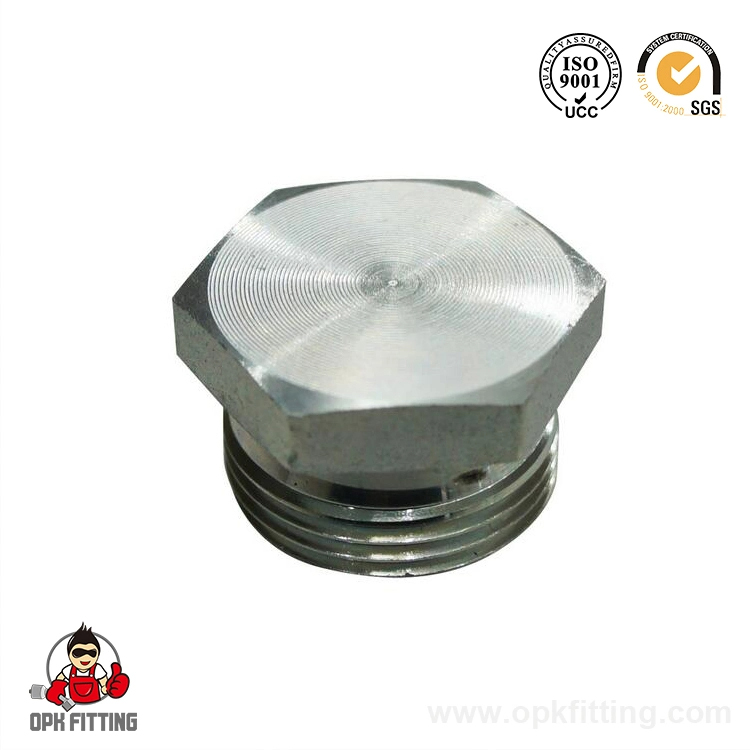
Product Description hydraulic adaptor metric male O-Ring flat sealing pipe fittings Material: Carbon Steel, Stainless Steel Surfac...
See Details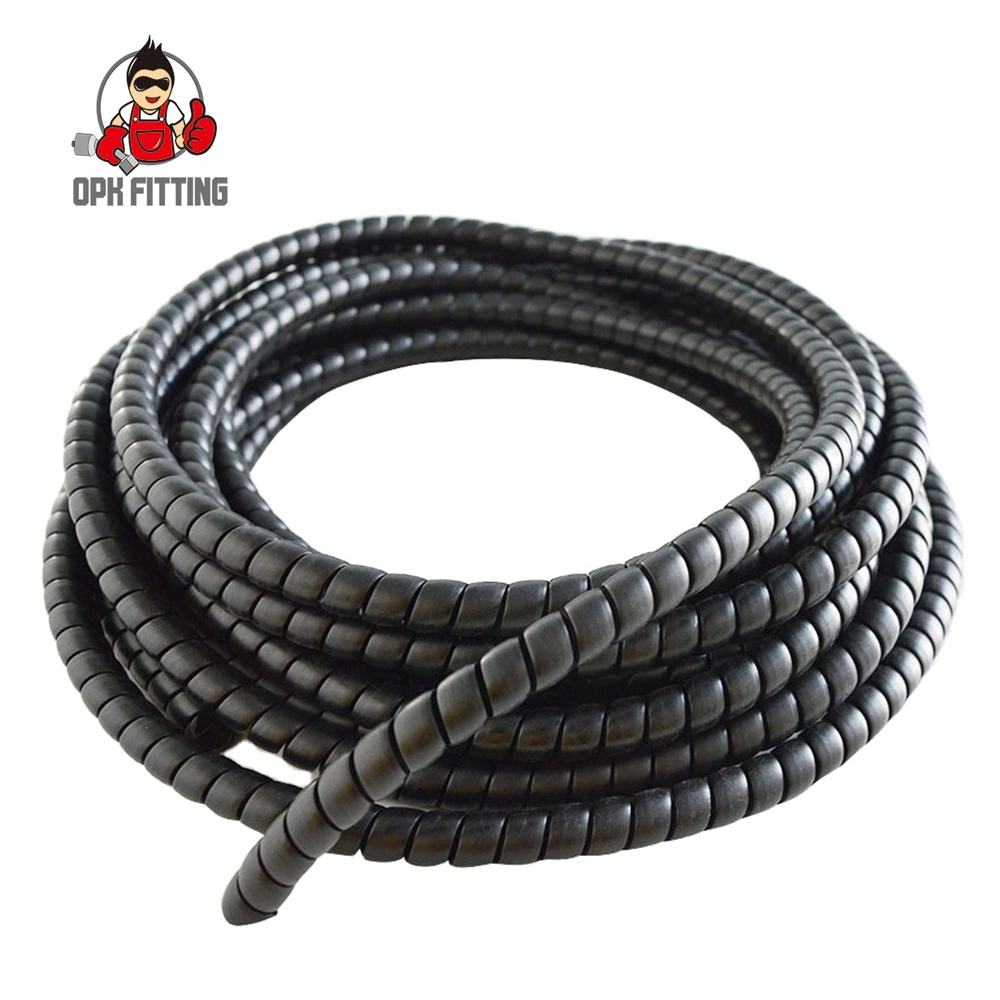
PRODUCT NAME: Spiral Protective Sleeve PP plastic hose guard for hydraulic hose Recommended For: The use of Spiral Guard Wrap is an economical...
See Details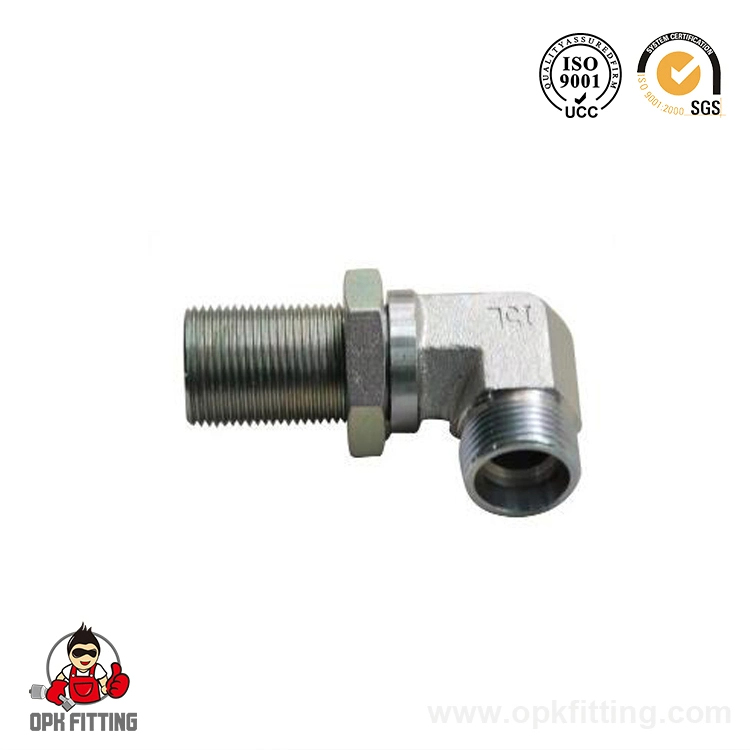
Product Description hydraulic adaptor metric male O-Ring flat sealing pipe fittings Material: Carbon Steel, Stainless Steel Surfac...
See Details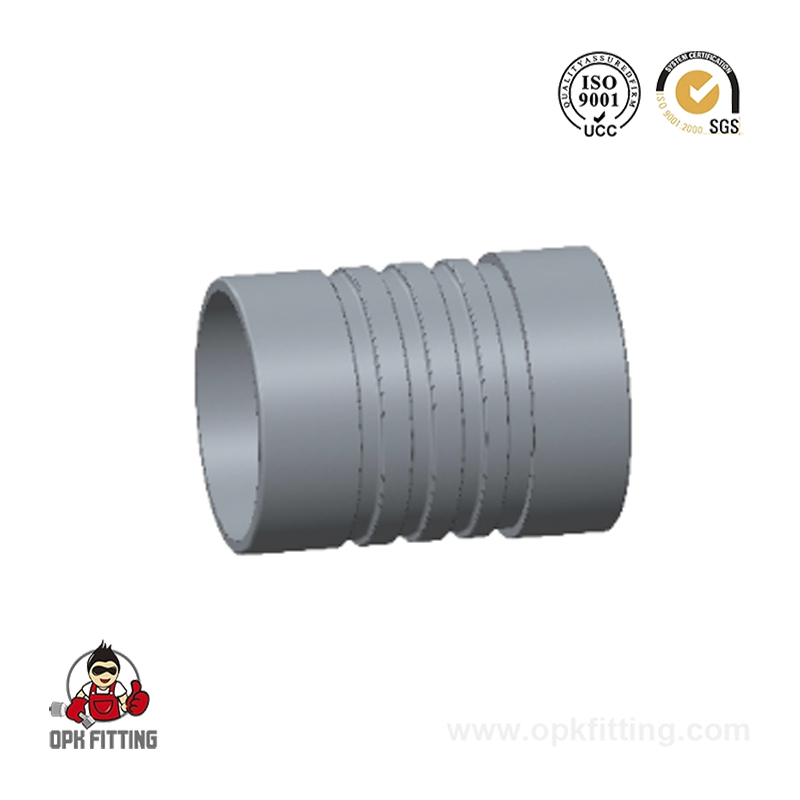
Description Of Products: 1. Raw Material: Carbon Steel & Stainless Steel available 2. Standard Plating: Trivalent Zinc Plating ( Cr3 / Chrome...
See Details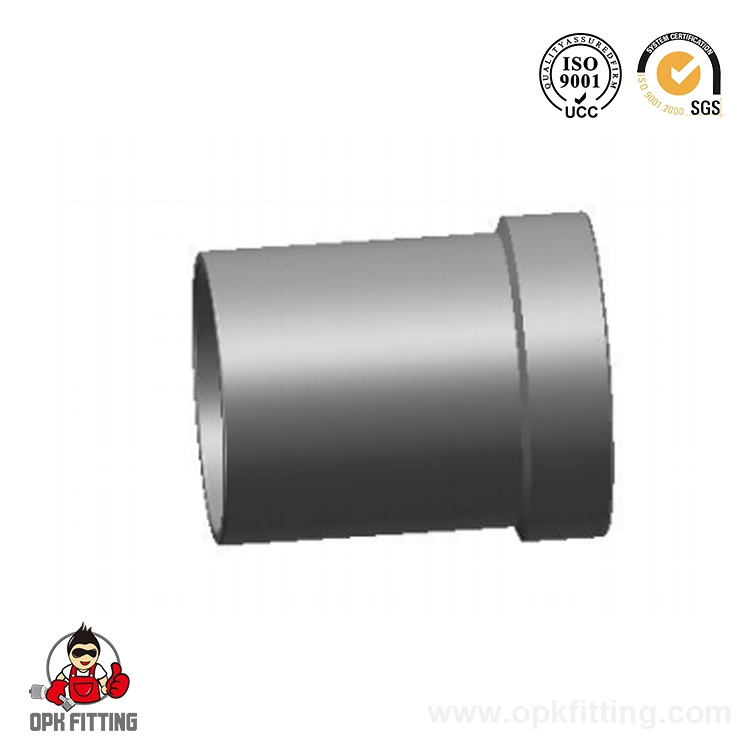
Description Of Products: 1. Raw Material: Carbon Steel & Stainless Steel available 2. Standard Plating: Trivalent Zinc Plating ( Cr3 / Chrome...
See Details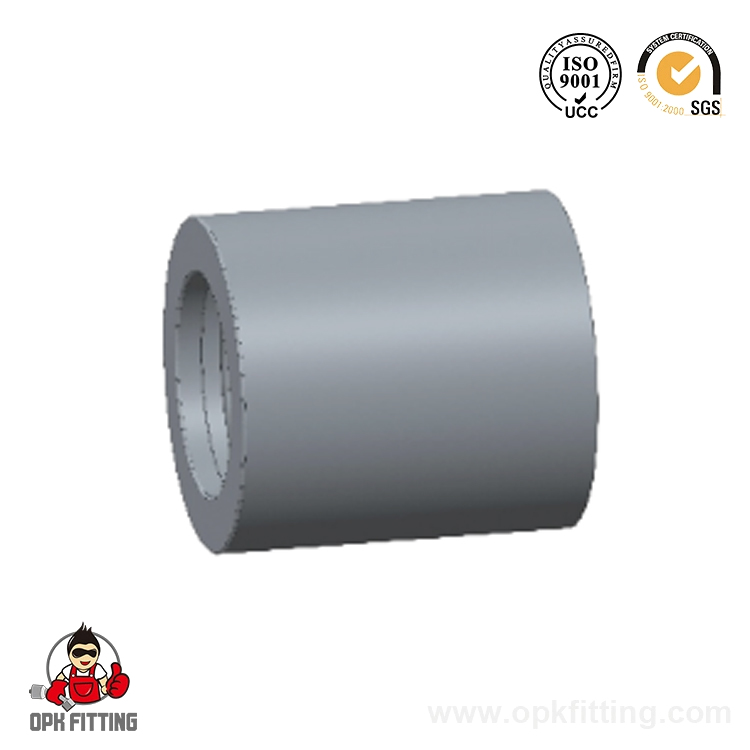
Description Of Products: 1. Raw Material: Carbon Steel & Stainless Steel available 2. Standard Plating: Trivalent Zinc Plating ( Cr3 / Chrome...
See Details

+86-18868902802


No. 298, Chenghai Road, Binhai New District, Fenghua Economic Development Zone, Fenghua District, Ningbo City, Zhejiang Province, China
Urheberrecht@ Ningbo Opk Fitting Co., Ltd. Hydraulic Hose Fittings Manufacturers OEM & Custom Adaptors Company
